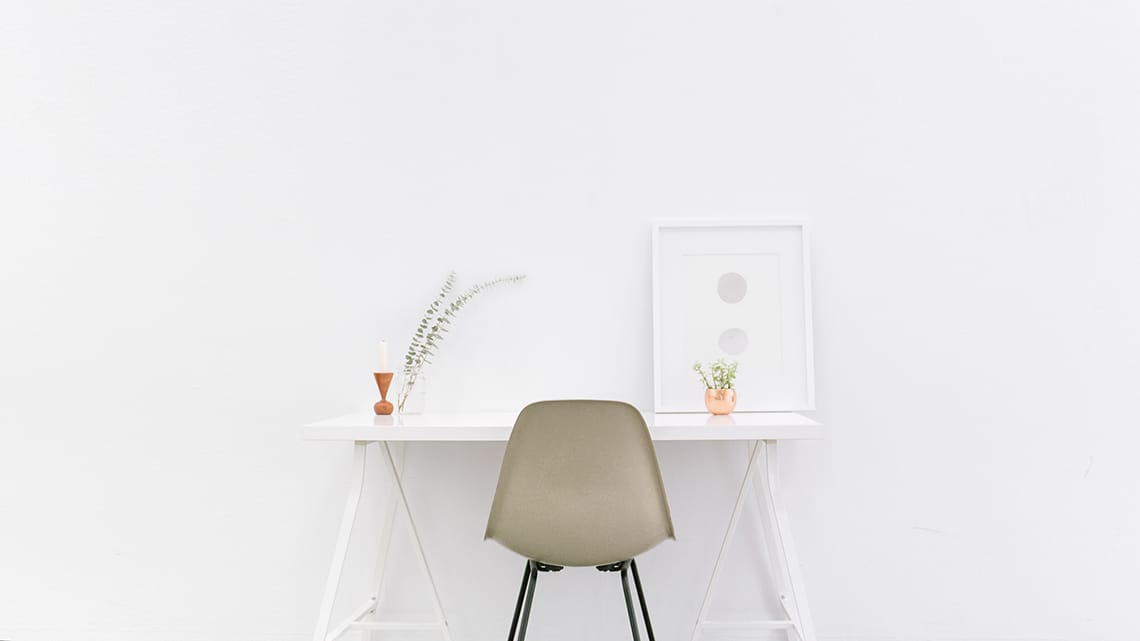
A room can be beautifully furnished and still feel incomplete. The missing element is often not another large piece of furniture, but something much smaller: an ornament that adds character, creates a focal point, or simply makes the space feel more personal.
Decorative objects have been part of interiors for centuries. Today, they remain one of the easiest ways to change the atmosphere of a home without redesigning an entire room. From an elegant statue on a console table to a playful figurine displayed on a bookshelf, carefully selected decorative pieces can turn an ordinary space into an interior with its own identity.
Why ornaments matter in interior design
Furniture establishes the practical structure of a room. Decorative objects tell its story.
Think about two living rooms containing almost identical sofas, tables, and cabinets. One has empty surfaces and bare shelves. The other includes sculptures, vases, artistic objects, and personal accessories. Although the basic furniture may be similar, the rooms will probably feel completely different.
This is where home decor becomes important. An ornament can introduce texture, shape, color, symbolism, or even humor into a room. It gives the eye somewhere to stop and provides small details that people discover as they spend time in the space.
The key is choosing pieces that complement the surroundings rather than simply filling empty areas.
Choosing the right ornament for your space
There is no universal rule saying that a particular decorative style belongs in a particular type of home. Modern interiors can contain classical sculptures. Traditional rooms can benefit from contemporary decorative pieces. Mixing styles can actually produce some of the most interesting results.
Scale, however, matters.
A tiny figurine can disappear on a large sideboard, while an oversized statue may overwhelm a narrow shelf. Before selecting a decorative object, consider where it will be placed and how much visual space surrounds it.
Large decorative pieces often work well as focal points. Smaller objects are better suited to shelves, desks, side tables, display cabinets, and grouped arrangements.
It is also worth considering the viewing angle. A detailed ornament displayed at eye level invites closer inspection, while a larger sculpture positioned on the floor needs to create impact from several metres away.
Statues as statement pieces
Few decorative objects command attention as naturally as a statue.
Statues can introduce elegance, drama, cultural influences, or artistic personality into an interior. Depending on the design, they may depict people, animals, mythical figures, abstract forms, or recognizable symbols.
Placement makes a major difference.
A striking statue can become the centerpiece of an entrance hall. A smaller sculpture can give a coffee table more personality. Decorative figures can also work particularly well on sideboards, fireplace mantels, shelving units, or in otherwise unused corners.
The surrounding space should usually remain relatively simple. Giving an interesting object some visual breathing room allows its shape and details to stand out.
Figurines bring personality to home decor
Not every decorative piece needs to dominate a room. Sometimes the most memorable objects are small.
A figurine can reflect someone's interests, travels, personality, sense of humor, or appreciation for a particular artistic style. This makes figurines especially useful when creating an interior that feels individual rather than staged.
Collections can also become part of the overall design.
Instead of scattering many small objects randomly around the room, try arranging several related pieces together. Different heights and shapes create visual rhythm, while a common theme keeps the display coherent.
Three carefully chosen objects can often look more intentional than ten unrelated decorations competing for attention.
Decoration should work with the room
Successful decoration is rarely about adding as many accessories as possible. It is about finding balance.
Consider the colors already present in the room. A decorative object can either blend into the existing palette or deliberately contrast with it. Both approaches can work.
Texture is equally important. Smooth furniture surfaces can be complemented by objects with detailed or irregular finishes. Minimalist spaces can benefit from one visually complex ornament, while rooms already containing many patterns may look better with simpler decorative pieces.
The same principle applies to shape. Rounded sculptures can soften interiors dominated by straight architectural lines. Geometric objects can add structure to softer environments.
Creating focal points throughout the home
Decorative objects are not limited to living rooms. Almost every area of a home offers opportunities for thoughtful home decor.
An entrance hall can feature a distinctive statue that immediately establishes the character of the home. A bedroom may benefit from smaller, calmer decorative objects. A home office can include a figurine that adds personality without becoming distracting. Dining areas can use sculptural pieces to create interest even when the table is not set.
Shelves deserve particular attention. Instead of filling every available centimetre, combine decorative objects with books and leave some empty space. The result usually feels more deliberate and sophisticated.
Finding decorative pieces with character
The best decorative objects are often the ones that immediately create a reaction. Perhaps a sculpture makes you smile. Maybe an unusual ornament reminds you of a place, period, animal, or idea that you love. That emotional connection matters.
Kings Store Worldwide offers decorative pieces for people who want their surroundings to feel more distinctive. Rather than treating decoration as an afterthought, homeowners can use statues, figurines, and ornaments as an active part of their interior styling.
Ultimately, great home decor does not need to follow every trend. Trends change quickly; personality lasts much longer.
A carefully selected statue, figurine, or decorative object can completely alter how a room feels without requiring expensive renovations or new furniture. Choose pieces that suit the proportions of the space, experiment with placement, and avoid overcrowding.
The goal is simple: create an interior that does more than look finished. It should feel like your own.